Romans and Christian Theology Conference
October 23–25, 2026
Date & Time
- Friday, Oct 23, 2026 - Sunday, Oct 25, 2026
- All Day
About the Conference
Princeton Theological Seminary, in partnership with the University of St. Andrews, invites scholars, theologians, and students to gather in Princeton, New Jersey, this October for a conference exploring Paul’s Letter to the Romans and its enduring significance for Christian theology. Through plenary lectures and paper sessions, participants will engage questions at the intersection of biblical interpretation and systematic theology, examining how Romans shaped Christian thought in the past and how it continues to inform theological reflection today.
When: October 23–25, 2026
Where: Princeton, NJ, USA.
In addition to plenary lectures, there will be ample time allotted for simultaneous short papers (30-minute papers, each followed by 15 minutes Q&A), for which we invite proposals of no more than 200 words. Paper proposals, which may be on any aspect of the conference theme, must be submitted below.
Decisions on paper proposals will be returned by April 30, 2026.
Plenary Speakers
Open
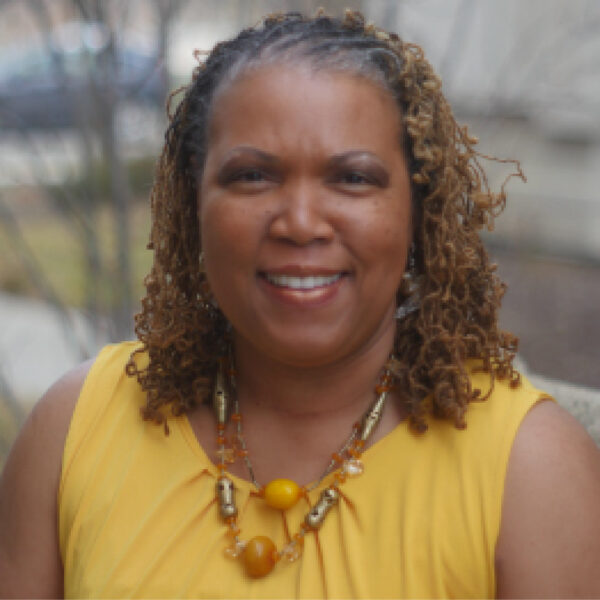
Stephanie Buckhanon Crowder | Professor of New Testament and Culture
Stephanie Buckhanon Crowder is Professor of New Testament and Culture at Chicago Theological Seminary, where she engages New Testament literature through the lens of pop culture and “womanist maternal thought,” exploring how Scripture speaks to contemporary life and motherhood. She is a dually ordained National Baptist and Disciples of Christ minister and has served in academic leadership, including as Vice President of Academic Affairs/Academic Dean—the first African American woman in those roles at CTS. Dr. Crowder holds a BS from Howard University, an MDiv from United Theological Seminary, and an MA and PhD from Vanderbilt University. She is the author of When Momma Speaks: The Bible Through African American Motherhood and teaches courses in hermeneutics, ministry, and womanist biblical interpretation.
Open
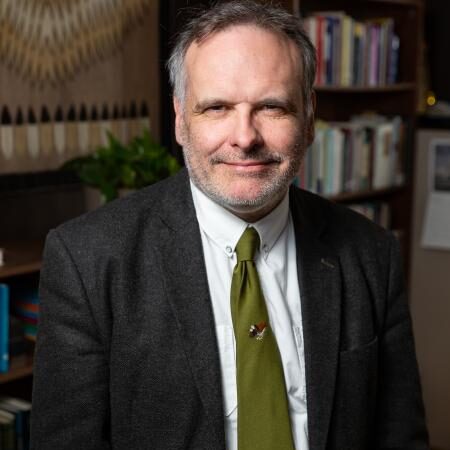
Mark Elliott | Professor of Biblical and Historical Theology
Mark Elliott | Professor of Biblical and Historical Theology
Mark Elliott is Professorial Fellow at Wycliffe College and teaches part-time while also serving as Professor of Biblical and Historical Theology and Head of Research in Theology at Highland Theological College, University of the Highlands and Islands. He was educated at Oxford (BA in Law), Aberdeen (Divinity), and Cambridge (PhD in Patristics) and has taught at institutions including Nottingham, Liverpool Hope, St Andrews, Glasgow, and now Toronto. Dr. Elliott’s research and teaching encompass biblical hermeneutics, historical theology, the doctrine of providence, and the history of interpretation, and he supervises work in doctrine, spirituality, and ethics. He has co-edited History of Scottish Theology and published works including Providence: Biblical and Theological and Psalms 42-72. He also preaches regularly and enjoys the Scottish Highlands.
Open
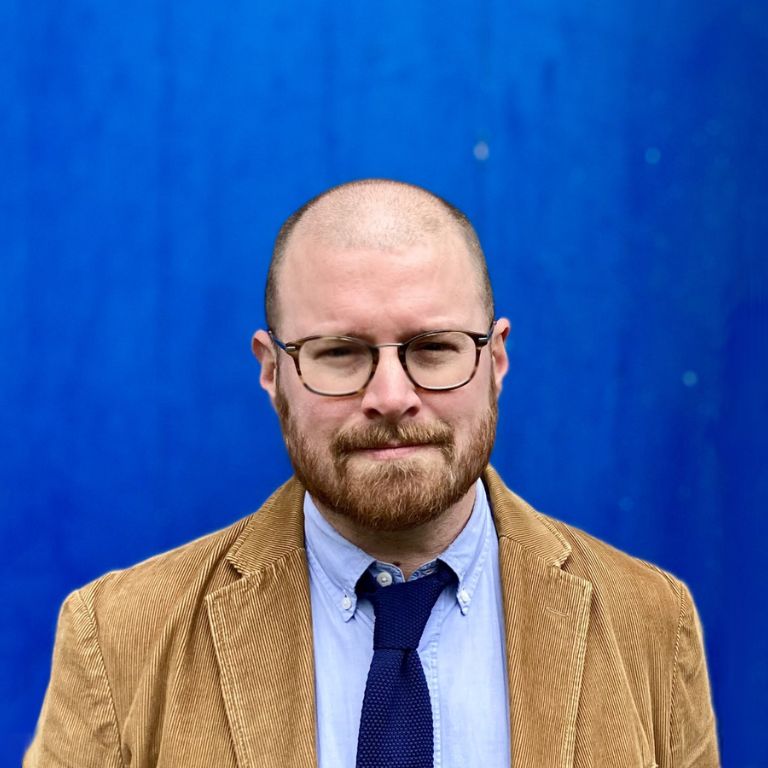
Matthew Novenson | Helen H. P. Manson Professor of New Testament
Matthew Novenson | Helen H. P. Manson Professor of New Testament
Matthew Novenson is the Helen H. P. Manson Professor of New Testament at Princeton Theological Seminary. He is also an honorary fellow in the Faculty of Divinity at the University of Edinburgh, where previously he held the Chair of Biblical Criticism and Biblical Antiquities. His monographs include Christ among the Messiahs (Oxford University Press, 2012), The Grammar of Messianism (Oxford University Press, 2017), Paul, Then and Now (Eerdmans, 2022), and Paul and Judaism at the End of History (Cambridge University Press, 2024). His edited volumes include Monotheism and Christology in Greco-Roman Antiquity (Brill, 2020) and The Oxford Handbook of Pauline Studies (Oxford University Press, 2022). He is founder and co-editor of the book series Edinburgh Studies in Religion in Antiquity (Edinburgh University Press) and associate editor of the journal New Testament Studies.
Open
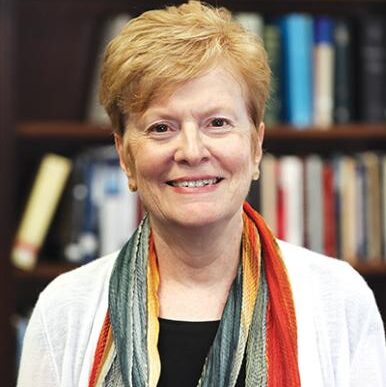
Beverly Roberts Gaventa | Helen H. P. Manson Professor of New Testament Emerita
Beverly Roberts Gaventa | Helen H. P. Manson Professor of New Testament Emerita
Beverly Roberts Gaventa is Distinguished Professor of Religion at Baylor University’s College of Arts & Sciences, where she teaches and writes on New Testament interpretation, especially the letters of Paul. She holds a BA from Phillips University, an MDiv from Union Theological Seminary, and a PhD from Duke University. Dr. Gaventa is a leading New Testament scholar whose authorship and editorship include 14 books—such as Our Mother Saint Paul and When in Romans—and more than 70 articles and essays. Before joining Baylor in 2013, she taught for over two decades at Princeton Theological Seminary, where she was Helen H.P. Manson Professor of New Testament. She also holds multiple honorary doctorates and served as president of the Society of Biblical Literature.
Open
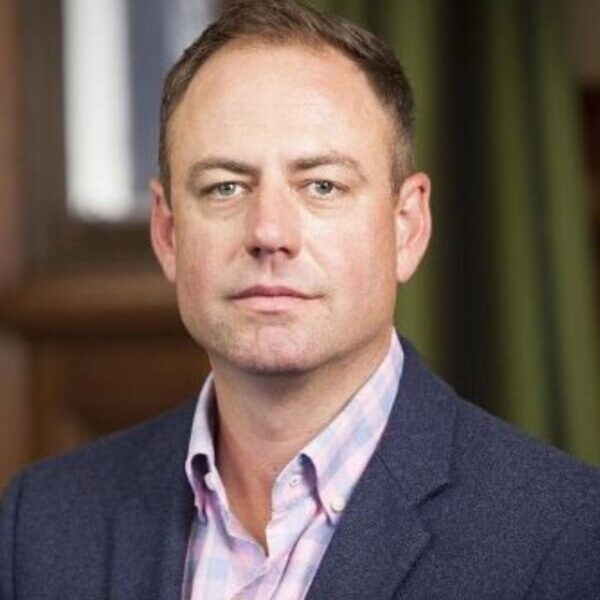
Joshua Ralston | Reader in Christian-Muslim Relations
Joshua Ralston | Reader in Christian-Muslim Relations
Joshua Ralston is Reader in Christian-Muslim Relations at the School of Divinity, University of Edinburgh, where he also serves as director and co-founder of the Christian-Muslim Studies Network funded by the Henry Luce Foundation. He has published widely on Reformed theology, Christian theological engagements with Islam, Arab Christianity, and political theology. His monograph Law and the Rule of God: A Christian Engagement with Shari’a was published by Cambridge University Press. Prior to his appointment in Scotland, Ralston was Assistant Professor of Theology at Union Presbyterian Seminary in Richmond, Virginia. He earned his BA in philosophy from Wake Forest University, an MTh in World Christianity from the University of Edinburgh, an MDiv from Candler School of Theology, and completed doctoral studies in Christian theology and Islamic thought at Emory University.
Open
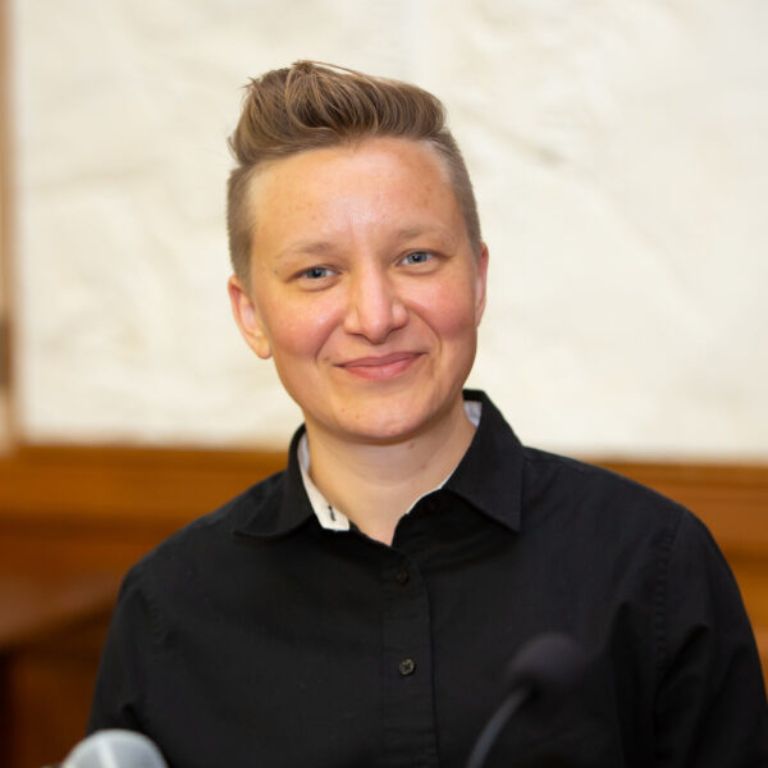
Hanna Reichel | Charles Hodge Professor of Systematic Theology
Hanna Reichel | Charles Hodge Professor of Systematic Theology
Hanna Reichel is the Charles Hodge Professor of Systematic Theology at Princeton Theological Seminary and holds a research fellowship at the University of the Free State in South Africa. She previously taught at Heidelberg University and Halle-Wittenberg University in Germany. Reichel’s scholarship spans Christian doctrine and political theology with special interests in Christology, theological anthropology, eschatology, the doctrine of God, and theological method, and her work has appeared in outlets such as The Atlantic and CTI’s Theology Matters. Her books include Theologie als Bekenntnis, After Method: Queer Grace, Conceptual Design, and the Possibility of Theology, and For Such a Time as This: An Emergency Devotional. Reichel co-chairs the Christian Systematic Theology unit of the American Academy of Religion and serves on committees for the Karl Barth Society of North America, among other ecclesial and scholarly leadership roles.
Open
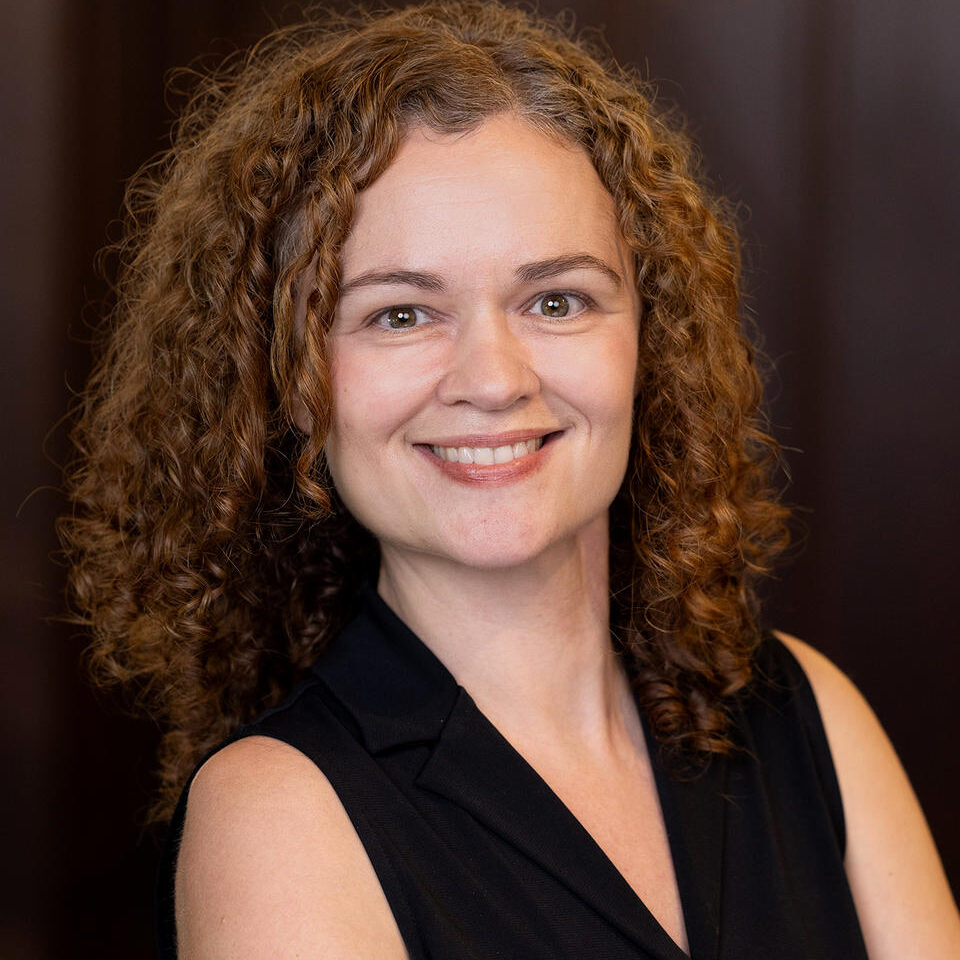
Michelle C. Sanchez | Professor of Theology
Michelle C. Sanchez | Professor of Theology
Michelle C. Sanchez is Associate Professor of Theology at Harvard Divinity School, where she teaches courses on the Protestant Reformations, Protestant theologies, and methods for studying religion. Her scholarship focuses on the Christian movements of reform, the legacies of Protestantism, and the complex relationships between theology, politics, and social change, especially in sixteenth-century Europe. Sanchez’s first book, Calvin and the Resignification of the World: Creation, Incarnation, and the Problem of Political Theology (Cambridge University Press, 2019), offers a close reading of Calvin’s Institutes in conversation with contemporary theorists and historical context. She is currently working on her second book project, which examines how Christianity was pedagogically reconfigured as a “worldview” in the twentieth century. Sanchez earned her BA from New College of Florida, an MDiv from Harvard Divinity School, and her PhD in the study of religion from Harvard University.
Open
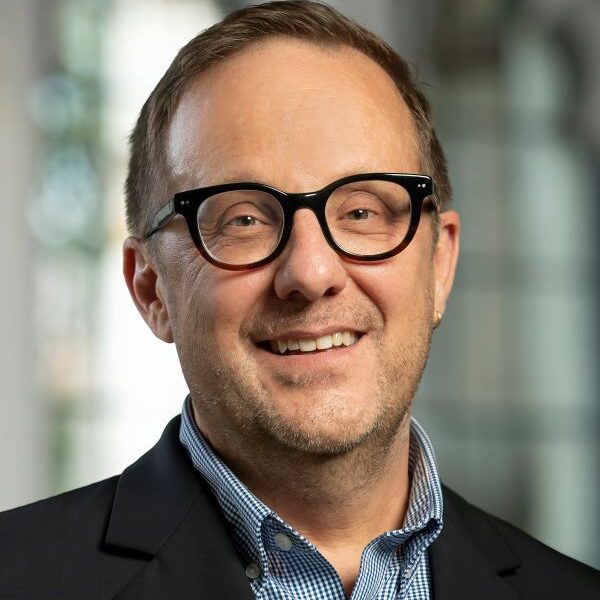
J. Ross Wagner | Associate Professor of New Testament
J. Ross Wagner | Associate Professor of New Testament
J. Ross Wagner is Associate Professor of New Testament at Duke Divinity School, where he specializes in Paul’s letters and Septuagint studies and seeks to recover theological exegesis through careful study of how scriptural interpretation shaped early Jewish and Christian communities. He is the author or editor of works including Heralds of the Good News: Paul and Isaiah in Concert in the Letter to the Romans, Between Gospel and Election, and Reading the Sealed Book: Old Greek Isaiah and the Problem of Septuagint Hermeneutics. Wagner serves on editorial boards for leading scholarly journals and has held Humboldt Research Fellowships at the University of Göttingen and residencies at the Center of Theological Inquiry in Princeton. An Anglican priest, he also participates actively in parish ministry and theological education.
Register Today!
Become a part of our Scripture and Theology tradition today!
Romans and Christian Theology Conference, October 23-25 2026
-
Friday, October 23
-
4:00 – 7:00 pm
Arrivals | Erdman
-
4:00 – 5:15 PM
Welcome drinks reception | Mackay Campus Center
-
5:30 pm – 7:00 pm
Plenary in Stuart 6 | Beverley Roberts Gaventa, “What Kind of Time Is ‘Now Time’?”
-
7:00 pm
Dinner on your Own
-
Saturday, October 24
-
8:00 – 8:45 am
Breakfast | Mackay Campus Center
-
9:00 – 10:30 am
Plenary in Stuart 6 | Mark Elliott, “The Love-Idealism of Romans 8”
-
10:30 – 11:00 am
Break
-
11:00 am – 12:30 pm
Paper session 1 | Stuart Hall
-
12:30 – 1:30 pm
Lunch | Mackay Campus Center
-
1:30 – 3:00 pm
Paper session 2 | Stuart Hall
-
3:00 – 3:30 pm
Break
-
3:30 – 5:00 pm
Plenary in Stuart 6 | Stephanie Buckhanon Crowder, “Making Womanist Maternal Moves with Paul”
-
5:00 – 5:30 pm
Snacks | Outside of Stuart Hall
-
5:30 – 7:00 pm
Plenary in Stuart 6 | Michelle C. Sanchez, “The Rhetorical Romans and Early Reformation Anthropology”
-
7:00 pm
Dinner on your Own
-
Sunday, October 25
-
8:00 am
Holy Communion | Trinity Church (For Interested Attendees)
-
8:00 – 8:45 am
Breakfast | Mackay Campus Center
-
9:00 – 10:30 am
Plenary in Stuart 6 | J. Ross Wagner, “‘The God of Hope’ in the Letter to the Romans”
-
10:30 – 11:00 am
Break
-
11:00 am – 12:30 pm
Plenary in Stuart 6 | Joshua Ralston, “Abraham’s Offspring, God’s Children? Reading Romans with a Muslim”
-
12:30 – 1:30 pm
Lunch | Mackay Campus Center
-
1:30 – 3:00 pm
Paper session 3 | Stuart Hall
-
3:00 – 3:30 pm
Break
-
3:30 – 5:00 pm
Plenary in Stuart 6 | Matthew Novenson, “Apokatastasis in Paul’s Letter to the Romans“
-
5:00 – 5:30 pm
Snacks outside Stuart
-
5:30 – 7:00 pm
Plenary in Stuart 6 | Hanna Reichel, “‘Oh the depths of the riches and wisdom and knowledge!’ or: On Seeing Like a God”
-
7:00 pm
Dinner on your Own
Paper Sessions
- Stuart 1
- Gabriele Boccaccini, Paul the Enochic? Apocalyptic Anthropology and the Power of Sin within Judaism
- Zachary McNeal, Enslaved to Corruption: Cosmic Sin and Personal Transgression in Romans and Contemporary Ecclesiastical Corruption
- Stuart 2
- Alberto Solano, Paul’s Justification as Spatial Welcome
- Charles Cisco, Lost in Translation: Paul’s Language of Justification from Sin
- Stuart 3
- Amy Kimble, Community and the Transformation of the Mind: Romans 1–12 in Dialogue with Seneca
- John Doss, Pauline Conversion Topoi in Rom 6:1–11 in Their Greco-Roman and Second Temple Jewish Environment
- Stuart 4
- Channing Crisler, Eschatological Disappointment and Paul’s Purposes in Romans
- Jeff Peterson, The Evidence of Romans for the Faith and Practice of Non-Pauline Messianists
- Stuart 7
- Jason Oliver Evans, The God Who is For Us (All)? On the Ambivalence and Endurance of Promeity
- Brittany Fiscus-van Rossum, The Hope for Wellness in Paul’s Letter to the Romans
- Stuart 9
- Tsz-fung Tin, One Reconciliation, Two Dimensions: Justification and Deliverance in Barth’s Interpretation of Romans 5:12–21
- Jackson Reynolds, The Purpose of Preaching According to Paul and Karl: Looking at Romans 10 with Barth
- Stuart 11
- Ian Clark, ‘Let Us Do Evil So That Good May Come?’ Paul, Walzer, and the Problem of Dirty Hands
- Robert Densmore, Competing Definitions of Righteousness: Understanding Just War’s Claim to God’s Justice and Righteousness Alongside Romans 1:17
- Stuart 13
- Benjamin Lappenga, ‘We Hope for What We Do Not See’: Romans, Ricoeur, and the Textuality of Revelation
- L. Ann Jervis, The Christ of Paul’s Gospel
- Stuart 1
- B. J. Oropeza, The Fall of the Seventy Nations: A Re-reading of Romans 1:18–32
- Der Lor, The Telos of Natural Knowledge of God in Romans 1:18–25
- Stuart 2
- Enoch H. Kuo, Demonstrating Divine Justice: Ignorance, Law, and Forensic Justification in Romans 3:25–26
- Sean Luke, Filial and Final Justification: An Alternative to ‘Present’ Justification
- Stuart 3
- Andy Kench, Moral Conflict in Romans 7:14–25 within Jewish and Hellenistic Traditions
- Marko Eichele, Man Alienated: Romans 7 and an Understanding of Sin for Our Time
- Stuart 4
- Jiihn Ahn, Calling on the Name of the Lord in Romans and Acts
- Todd D. Still, Ignorance Is Not Bliss: (Un)knowing in Romans
- Stuart 7
- Stephen Chester, Slavery and Salvation: Paul’s Surprising Metaphor in Romans 6:15–23
- Eric A. Thomas, The Wake Work of Hope: Queer of Color Biblical Criticism, Romans, and the Black Study of Religion
- Stuart 9
- Gregory Barnhill, Reappraising God’s Enemies in Light of God’s Mercy: God’s Speech to Pharaoh in Romans 9
- David Richman, Romans 9:3, the Willing Appropriation of Others’ Sins, and the Interrelatedness of Sin: Motivating a Praxis of Love for One’s ‘Enemy’
- Stuart 11
- T.J. Lang, Paul’s Argument, Milton’s Epic: Romans 5, Paradise Lost, and Pauline Universalisms
- Matthew Pattillo, The ‘One Man’ and the ‘Anointed’: Romans 5:12–21 as Prefiguration of ‘Dionysus versus the Crucified’
- Stuart 13
- Thomas Dixon, Judgmental Grace: De-modernizing Romans Soteriology
- Corinne Nelson, What Grace Does and Refuses: Romans, Coherence, and the Human Good
- Stuart 1
- Jason Myers, Judaizing the Gentiles? Reading the Obedience of Faith in Romans 1–2 within Judaism
- John Anthony Dunne, Second Person Singular Imperatives in Romans and the Implications for a Mixed Audience of Jews and Gentiles
- Stuart 2
- Seth Johnson, Reading the Juridical Language of Romans with Thomas Aquinas
- Susan Lim, The God of Grace
- Stuart 3
- Joseph Luigs, Origen on Paul’s Conscience: A Reevaluation of the Introspective Conscience
- Jason Valdez, Rethinking Human Agency in Romans 6–8: Beyond the Subject/Object Divide
- Stuart 4
- Justin Lam, The Law of the Empire and the Law of God: A Halakhic Exploration of Romans 13
- Judith M. Gundry, ‘Eminent among the Apostles of Christ’? The Meaning of apostolos in Romans 16:7 and the Implications for Junia’s Role
- Stuart 7
- Cody Bivins-Starr, God’s Righteousness as Historical Reality: Contours of a Theology of History in Paul’s Epistle to the Romans
- Joe Stapleton, Reconsidering Alain Badiou’s ‘Supercessionist’ Paul
- Stuart 9
- B. G. White, What Are Churches For? Paul, Politics, and Power Beyond the Wright-Barclay Debate
- Jay Harvey, Paul’s Imperial Subversion in Romans 16:20 as the Apocalyptic Rendering of Romans 1:1–7
- Stuart 11
- Sarah Stewart-Kroeker, Second Adam, Second Eve: Romans 5:12 and Augustine’s Confessions 6.25
- Elizabeth Latham, Offer Your Bodies: The Dangers of Receptivist Catholic Ethics of Parenthood
- Stuart 13
- Felipe A. Chamy, The Gospel Concerning God’s Son: Trinitarian Christology in Romans 1:3–4
- Olivia Bustion, “Rethinking the Virtue of Hope with Romans 8:18-26: A Queer and Trauma-Informed Account”
Questions?
Questions may be directed to our conference organizers